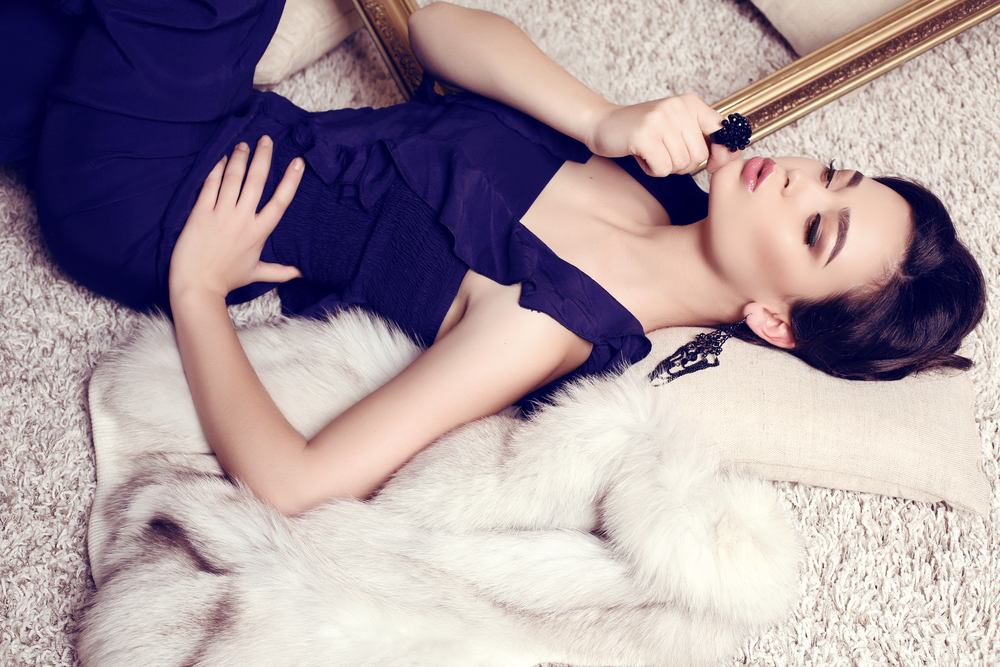
The Art of Modeling: Mastering Poses and Expressions for Stunning Photoshoots
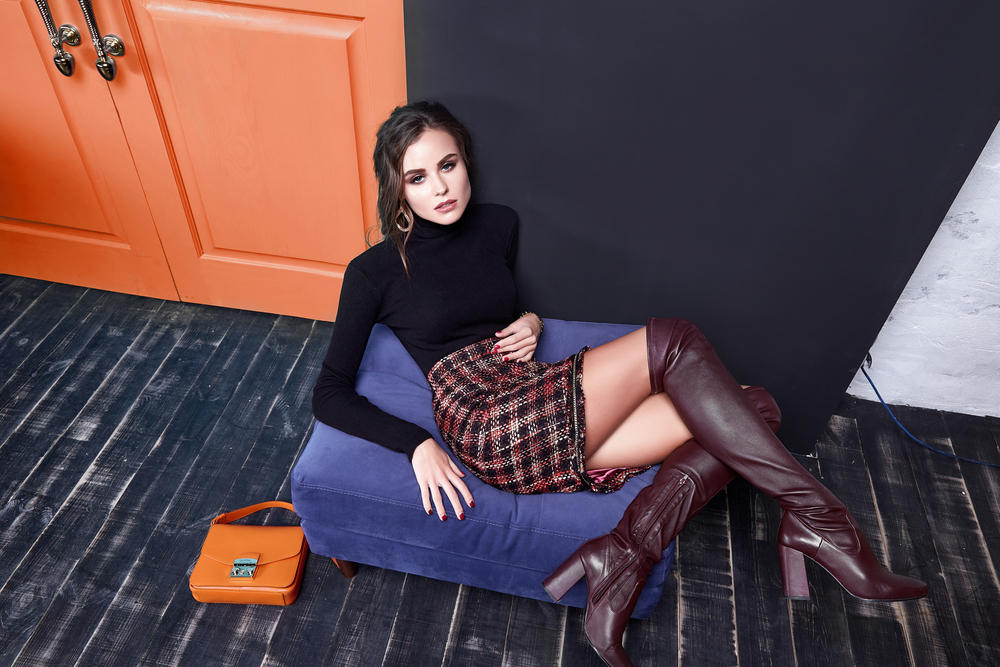
Modeling is an art form that requires not only beauty and grace but also the ability to express oneself through poses and facial expressions. Whether you are an aspiring model or a professional looking to improve your skills, mastering poses and expressions is essential for creating stunning and captivating photos. In this article, we will explore the techniques and tips that can elevate your modelling (or modeling) game to new heights.
1. Understand Your Body
Modeling is all about understanding your body and its capabilities. Take the time to study yourself in the mirror and recognize your strengths and weaknesses. Experiment with different poses and movements to discover what works best for you. Every body is unique, and embracing your individuality will help you stand out in the competitive world of modeling .
Practice good posture and be aware of your body alignment. A straight back and elongated neck can make a world of difference in your overall presence. Pay attention to your shoulders, arms, and hands as well. They should flow seamlessly and naturally, adding grace to your poses. Avoid stiffness and strive for fluidity in your movements.
2. Express through Eyes and Facial Expressions
One of the most captivating aspects of a model's photo is the expression in their eyes and face. The eyes have the power to convey emotions and tell a story. Learn to relax your face and avoid any signs of tension. Practice in front of a mirror to find your most flattering angles and expressions.
Experiment with various eye movements and looks, from smoldering and seductive to innocent and playful. The key is to make the audience feel a connection with you through your eyes. Your facial expressions should be authentic and relatable, allowing viewers to believe in the story you are telling through the photograph.
3. Study the Experts
modelling is an art that can be learned through observation and practice. Take the time to study successful models in the industry and analyze their poses and expressions. Look at fashion magazines, watch runway shows, and follow social media accounts of renowned models.
Observe how they use their bodies to create beautiful lines and angles. Pay attention to their subtle gestures and how they convey different emotions. Practicing in front of a mirror or with a photographer can help you emulate the techniques you admire and develop your own unique style.
4. Communicate with the Photographer
Collaboration with the photographer is a crucial aspect of any photoshoot. Establish a good rapport and communicate openly with them. Understand their vision for the shoot and discuss your ideas and inspirations as well. A strong partnership between model and photographer often results in breathtaking images.
Ask the photographer for guidance on poses and expressions. They have an experienced eye and can provide valuable feedback. Be open to constructive criticism and use it to improve your skills. Remember, modeling (by models) is a continuous learning process, and every photoshoot is an opportunity to grow.
5. Practice, Practice, Practice
Like any other skill, modeling (or modelling) improves with practice. Dedicate time to hone your skills by practicing in front of a mirror or with a friend. Experiment with different poses, facial expressions, and body language. Observe yourself in photographs and critically analyze your strengths and areas for improvement.
Consider taking modeling classes or workshops to learn from industry experts. These courses often provide invaluable insights, including runway training, posing techniques, and expression coaching. The more you practice, the more confident and comfortable you will become in front of the camera.
Frequently Asked Questions
Q1: How do I overcome camera shyness?
A: Camera shyness is common, especially for beginners. Relaxation techniques, deep breathing, and visualization exercises can help calm nerves and boost confidence. With practice, confidence in front of the camera grows.
Q2: How can I convey different emotions in my photographs?
A: Expressing emotions in modeling requires practice and tapping into your inner feelings. Experiment with different scenarios and try to genuinely feel the emotions you want to portray. Authenticity is key to capturing the desired mood.
Q3: Are there specific poses that work better for certain body types?
A: Yes, certain poses can complement different body types. Study different poses and experiment to find the angles and postures that showcase your strengths. Embrace your unique body shape and find poses that highlight your best features.
Q4: How important is lighting in modeling photography?
A: Lighting plays a crucial role in modeling photography. It can enhance facial features, create dimension, and evoke certain moods. Understand lighting techniques and how they can affect the overall look of your photographs.
Q5: What are some common mistakes to avoid during a photoshoot?
A: Some common mistakes include overposing, unnatural facial expressions, and not taking direction from the photographer. Stay natural, follow directions, and be open to trying different poses and expressions for the best results.
Mastering the art of modeling requires dedication, practice, and self-awareness. By understanding your body, expressing through your eyes and face, studying successful models, collaborating with photographers, and continuously practicing, you can elevate your modeling skills to create stunning and captivating photoshoots. Embrace the art of modeling, and let your unique beauty shine through.
Other useful resources
- https://en.wikipedia.org/wiki/Category:Modeling_agencies
- https://www.planetmodelphoto.com/models/modeling/usa/wilmington/nc-north-carolina
- https://www.planetmodelphoto.com/models/modeling/usa/charlotte/nc-north-carolina
- https://blog.planetmodelphoto.com